



Is vision correction right for you? The reality is, most adults who start asking that question are already excellent candidates. It’s rarely about whether vision correction is possible—it’s about finding the solution that aligns with your eyes, your stage of life, and how you want to see the world.
For many, especially those over 40, that conversation leads to something more advanced. Refractive Lens Exchange offers a long-term, lens-based solution that not only corrects vision but can eliminate the need for readers and prevent future cataracts. RLE gives you more than clear vision. It gives you a life no longer planned around glasses, contacts, or the limits of your prescription.
Schedule Consultation
Refractive lens exchange might be a good option for you if you are in the early stages of presbyopia and developing cataracts. This time is estimated between 45 and 60 years old. At this age, due to presbyopia and early cataract development, there are limited vision correction options, but RLE has emerged as a successful option.



Once people reach their 40s, it's common to notice the onset of presbyopia, which is the gradual loss of the ability to read up close. This is often mistaken for farsightedness, but the two are quite different. Presbyopia is an age-related condition in which the eye's lens slowly loses its flexibility, making it increasingly difficult to focus on nearby objects.
And it doesn't stop there. Over time, the same lens continues to change. gradually becoming cloudy and affecting not just near vision, but distance and night vision as well. These progressive changes fall under a broader condition known as Dysfunctional Lens Syndrome (DLS), of which presbyopia is just the first stage. Eventually, the lens deteriorates to the point of a cataract, but that threshold isn't reached until much later in life. In fact, the average age for cataract surgery in the U.S. is currently 65.
Take Our Vision Self-Test
RLE is appropriate for adults, typically between the ages of 45 and 65, who are experiencing presbyopia, early cataracts, or significant dependence on glasses and contacts. It's particularly well-suited for those who are not ideal LASIK candidates due to age or prescription. Because RLE replaces the eye's natural lens permanently, it also eliminates the possibility of developing cataracts in the future. For patients at this stage of life, RLE is often the most comprehensive vision correction option available.
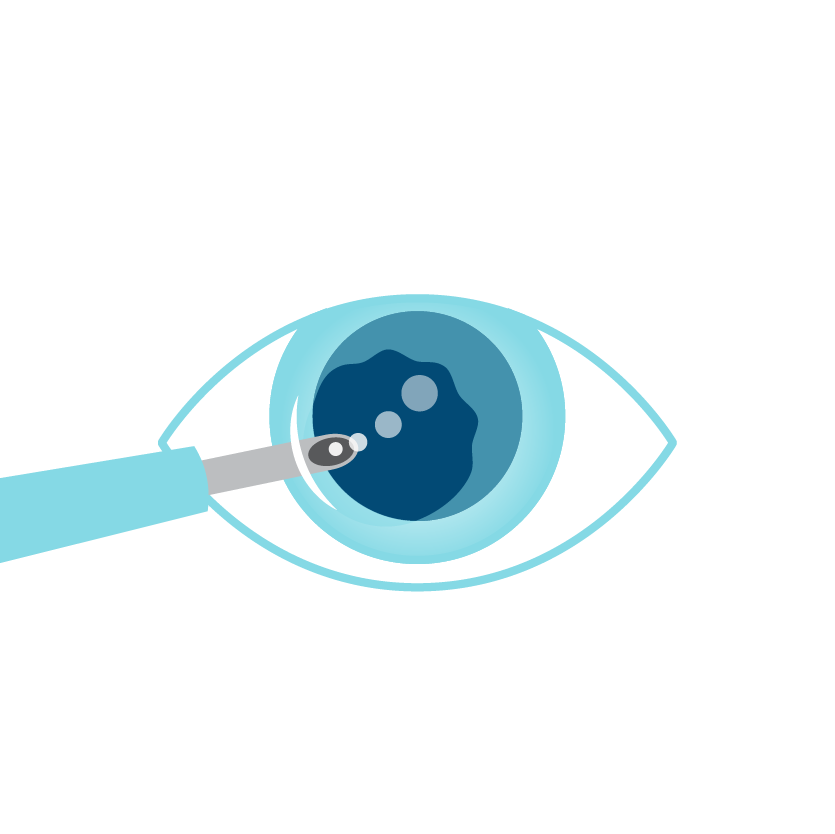
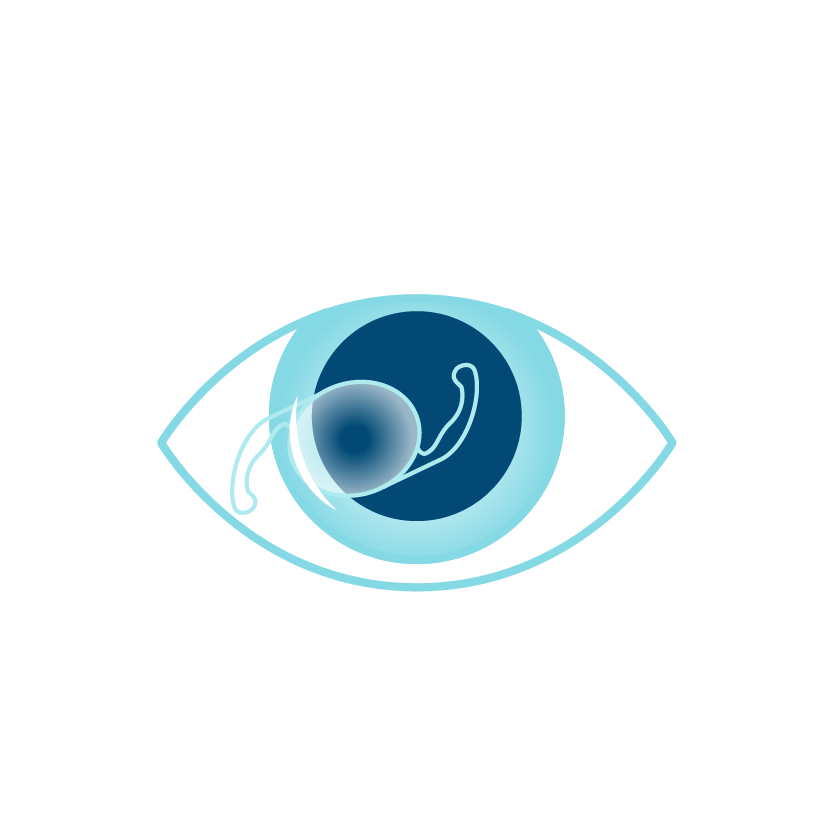
Schedule ConsultationBased on your goals and your eye anatomy, you and your Southwest Eye Clinic surgeon will select the lens technology best suited for your vision and lifestyle. The procedure typically takes around 10 minutes per eye, and both eyes are usually treated on the same day. Through a very small opening, your aging lens is gently removed and replaced with your new premium lens, restoring clear vision at the same time.

Dr. Weir is a native of the Oklahoma City area and a graduate of the University of Oklahoma. He earned his medical doctorate from the University Of Oklahoma School Of Medicine, where he received the Gale R. Kimball Scholarship for academic excellence, participated in the Alpha Omega Alpha Honor Medical Society, was a member of the admissions board of the University Of Oklahoma College Of Medicine and graduated with distinction.
Dr. Weir completed his medical internship at the University of Oklahoma and his residency at the Dean McGee Eye Institute. Dr. Weir is board certified by the American Board of Ophthalmology. He is also a diplomat of the American Academy of Ophthalmology.
Schedule Consultation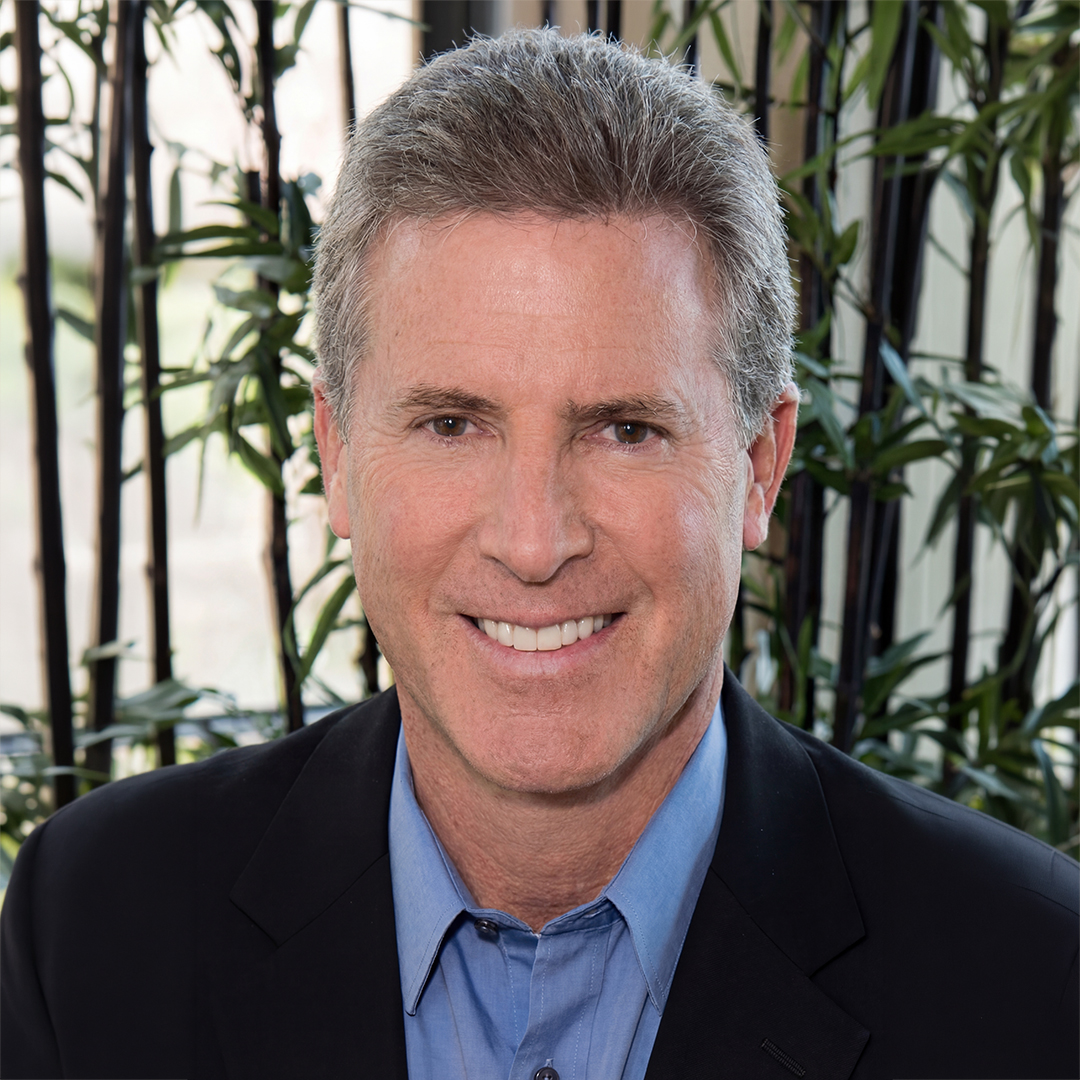
"I have perfect vision again. I haven't ever had vision like this in my life. Thank you to the staff and Dr. Weir. They made me feel welcome and at home from start to finish."
— Kevin McKenna



No pressure. No obligation. Just a real conversation with one of Oklahoma's most trusted ophthalmologists — about what's genuinely possible for your eyes.

9913 S May Ave., Suite C
Oklahoma City, Oklahoma 73159